Applications of Large-Diameter Seamless Steel Pipes
Date:2026-06-15View:329Tags:Rectangular steel pipe,HFW steel pipe,Seamless line pipe
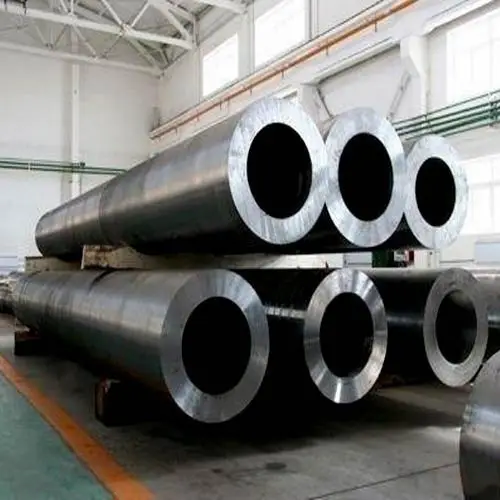
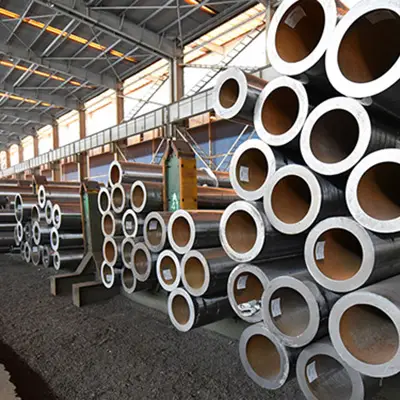
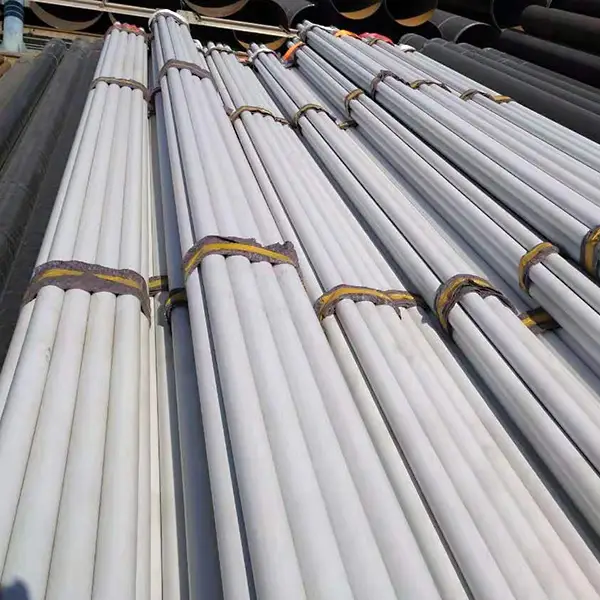
Unlike ordinary welded pipes (which feature a weld seam), seamless steel pipes are characterized by the absence of welding stress, higher pressure resistance, and superior corrosion resistance. These attributes make them indispensable in extreme environments involving high temperatures, high pressures, and highly corrosive substances. "Large-diameter" typically refers to steel pipes with an outer diameter exceeding 219 mm (though some definitions set the starting point at 323.8 mm), ranging up to 610 mm or even 1320 mm.
I. The Core of Energy Security: Oil and Gas Extraction and Transportation
This is the application sector with the highest consumption volume and the most stringent technical requirements for large-diameter seamless steel pipes. In the oil and gas industry, they primarily serve two roles:
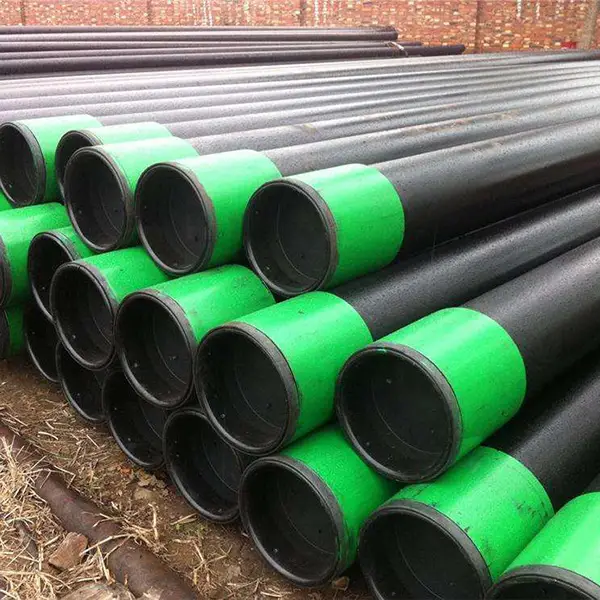
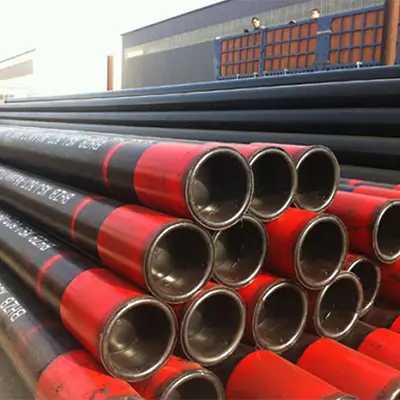
Exploration and Extraction (Oil Country Tubular Goods - OCTG):
Oil drilling operations require significant quantities of casing to support well walls and tubing to transport oil and gas. As shallow onshore resources are depleted, drilling is expanding into "deep-earth" and "deep-sea" frontiers (such as my country's 10,000-meter deep-well operations). This places extreme demands on the pipes' resistance to collapse and corrosion.
Long-Distance Gathering and Transportation (Line Pipe):
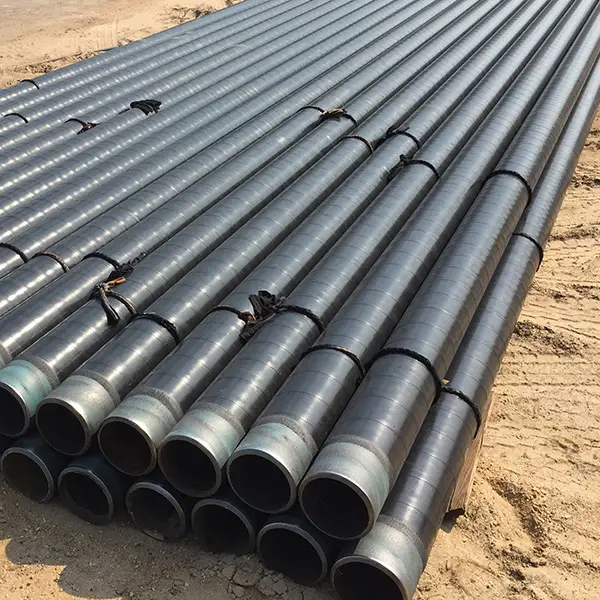
Long-distance pipelines are required to transport resources from oil fields to refineries. Large-diameter seamless pipes are the primary choice for subsea pipelines and new energy transport lines. Given the complex subsea environment and the extreme difficulty of maintenance, these pipes must possess exceptional dimensional precision and toughness.
II. The "High-Pressure Reactor" of Modern Chemical Industry: Petrochemicals and Coal Chemicals
The media handled in the chemical industry often involve high temperatures, high pressures, strong corrosiveness, and high toxicity; the consequences of a leak could be catastrophic. Consequently, large-diameter seamless steel pipes are the preferred choice for chemical processing equipment.
High-Pressure Heat Exchangers and Reactors: Processes such as fertilizer production and ethylene cracking require large quantities of alloy steel pipes (e.g., 12Cr1MoV, 15CrMo) for the fabrication of furnace tubes and heat exchangers.
Transport Pipelines: In large-scale integrated refining and chemical projects (with capacities in the tens of millions of tons), the transport of high-temperature petroleum products relies on seamless steel pipes. Companies such as Dexin Steel Pipe have consistently served as key suppliers of piping for major refining and chemical projects, including those of Zhejiang Petrochemical and Yulong Petrochemical.
As chemical projects trend toward larger scales and higher operating parameters, traditional rolling processes struggle to meet the demand for large diameters. Consequently, the "hot expansion" process has become the mainstream method; it enables the production of thick-walled or large-diameter pipes—far exceeding the capabilities of conventional rolling mills—while maintaining a seamless structure.
III. The "Skeleton" of the Power Industry: Boilers and Power Plants
Electricity is the lifeblood of industry, while large-diameter seamless steel pipes serve as the skeleton for power generation equipment:
Boiler Pipes:
Both supercritical thermal power units and nuclear power plants require vast quantities of high-pressure boiler pipes. These pipes must withstand steam at supercritical parameters (high temperature and high pressure) and require excellent creep strength and oxidation resistance.
Thermal Piping Networks:
In urban district heating and long-distance heating projects, heating efficiency improves significantly as pipe diameters increase. Compared to welded pipes, large-diameter seamless pipes offer a higher safety margin for complex geological conditions and overhead installations.
IV. Machinery Manufacturing and Engineering Structures
Beyond fluid transport, large-diameter seamless steel pipes are also vital materials for structural components.
Hydraulic and Pneumatic Components: Hydraulic cylinders for construction machinery (such as cranes and excavators) and uprights for hydraulic supports in coal mines are predominantly manufactured using seamless steel pipes with precision inner diameters. These pipes require excellent wear resistance and machining precision.
Gas Cylinder Pipes: Used to manufacture storage and transport cylinders for CNG (Compressed Natural Gas) and accumulator shells; materials typically include high-strength steels such as 37Mn and 34CrMo4.
Large Structural Components: Large-diameter, thick-walled seamless pipes also serve as critical load-bearing components in offshore engineering, bridge construction, and the machining of large shafts. V. Emerging Sectors: From Defense to Hydrogen Storage
As technology evolves, the application boundaries for large-diameter seamless steel pipes are expanding:
Energy Storage and Hydrogen Energy: The growth of renewable energy has driven demand for compressed air energy storage (CAES), which requires large-volume, high-pressure gas storage vessels. Meanwhile, the storage and transport of hydrogen impose stringent requirements on material compatibility in high-pressure hydrogen environments; high-end seamless pipes—such as those made from nickel-based alloys—are increasingly gaining prominence in this sector.
National Defense and Military Industry: High-precision, high-strength seamless steel pipes serve as fundamental materials for the manufacture of military equipment, including critical components such as rocket casings and submarine pressure hulls.