Applications of Steel Pipes in Modern Sugar Refineries
Date:2025-12-23View:766Tags:Carbon welded steel pipe,ASTM A106 steel pipe,Hollow section
I. A Reliable Choice in Harsh Environments: Why Steel Pipes Have Become a Pillar of the Sugar Industry
The sugar production environment places unique and stringent demands on pipelines. Media such as sugar juice and syrup not only experience large temperature variations (from room temperature to over 100℃) but also exhibit varying degrees of corrosivity (especially acidic intermediates). The continuous production process requires reliable and durable pipelines to minimize downtime for maintenance. Furthermore, strict hygiene standards must comply with food industry regulations. Steel pipes, especially food-grade stainless steel pipes, with their superior mechanical strength, reliable airtightness, good corrosion resistance, and smooth inner walls (resistant to scale buildup and easy to clean and disinfect), perfectly meet these requirements, making them the preferred material for sugar refinery piping systems.
II. A Steel Network Throughout the Entire Process: Specific Applications of Steel Pipes in Various Stages of Sugar Production
The application of steel pipes permeates every step of sugar production, forming a highly efficient industrial artery:
Raw Material Processing and Juice Extraction: From the washing and transportation of sugarcane or sugar beets, steel pipes are already involved. High-pressure water is transported through steel pipes to the cleaning equipment. More importantly, in the seepage or pressing section, the initially extracted mixed juice (a liquid containing sucrose, impurities, water, and trace solids) is rapidly sent to the next process through large-diameter steel pipes to prevent sugar degradation.
The core channel of the purification and evaporation process: This is one of the areas where steel pipes are most intensively used. The mixed juice needs to undergo multiple purification processes, including heating, adding lime, sulfur fumigation, and sedimentation. The pipe network system composed of steel pipes is responsible for transporting the juice, steam, lime milk, and sulfur dioxide gas. For example, in a multi-effect evaporator system, the juice pipes, steam pipes, and condensate pipes connecting each evaporator are all made of temperature- and pressure-resistant steel pipes, and their design and materials directly affect the thermal efficiency and safe production.
The delicate vessels of the boiling and crystallization stage: The concentrated syrup enters the boiling tank for crystallization. Here, steel pipes are used to transport the sugar paste, seeds, steam, hot water, and vacuum system. Extremely high requirements are placed on the cleanliness and corrosion resistance of the pipes to ensure the quality and color of the sugar crystals. The recycling and transportation of molasses (waste molasses) after separation also relies on a steel pipe network.
Finished Product, Auxiliary, and Utility Systems:
Finished Sugar: Dried granulated sugar is typically transported to storage or packaging sections via a stainless steel pneumatic conveying system, ensuring high efficiency and hygiene.
Power System: Steam generated by the boiler—the "lifeline" of the sugar factory—is transported entirely to all steam-using equipment through a seamless steel pipe network.
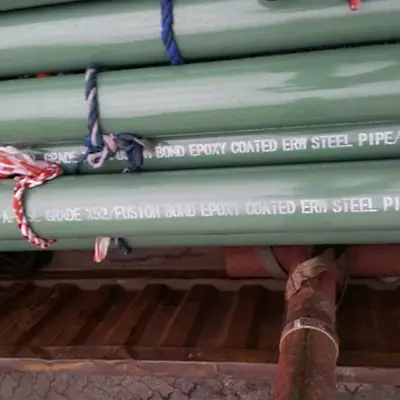
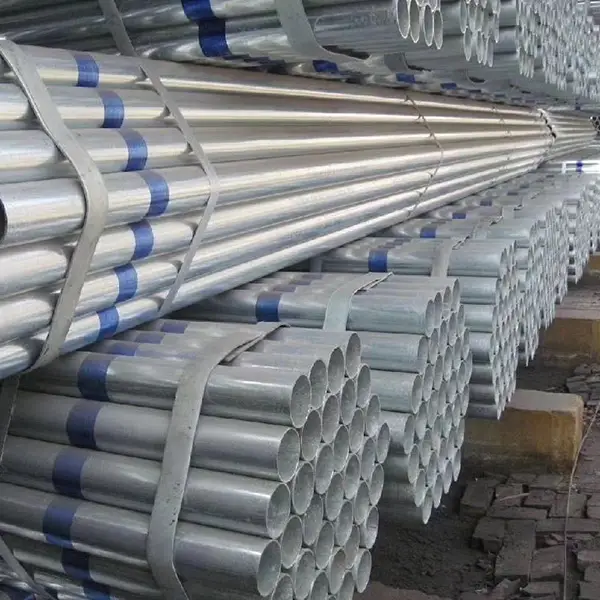
Water Supply and Wastewater: The plant's cooling water, process water, and wastewater discharge networks extensively utilize carbon steel or galvanized steel pipes, requiring excellent pressure resistance and corrosion resistance.
Instrumentation and Control: Pressure taps and signal lines for various pressure, flow, and temperature instruments primarily use small-diameter stainless steel pipes to ensure accurate and reliable measurements.
III. The Integration of Materials and Technology: Characteristics and Evolution of Steel Pipes for Sugar Refining
Modern sugar factories select different steel pipe materials based on varying media and operating conditions:
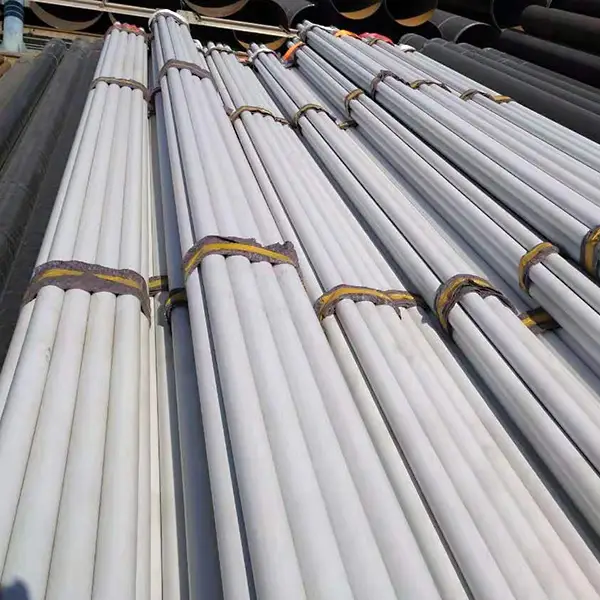
Food-grade stainless steel pipes (e.g., 304, 316L): Widely used in applications involving direct contact with sugar juice, syrup, and finished sugar products due to their excellent corrosion resistance (especially the strong pitting resistance of 316L) and ease of cleaning.
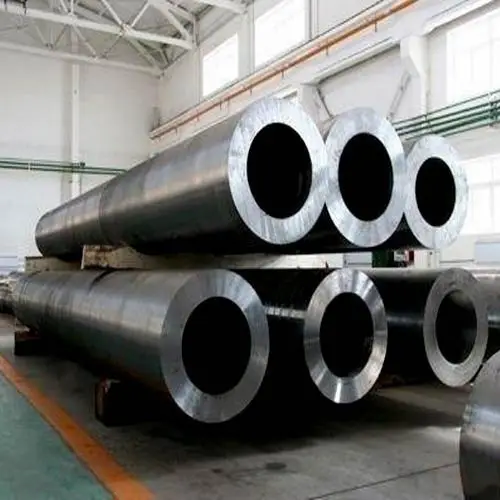
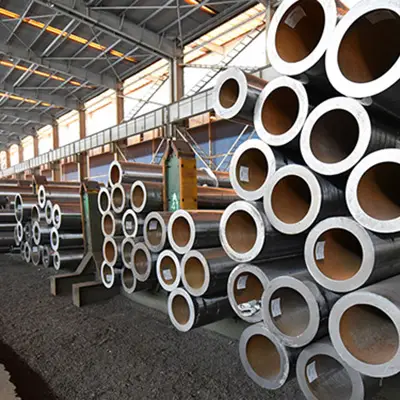
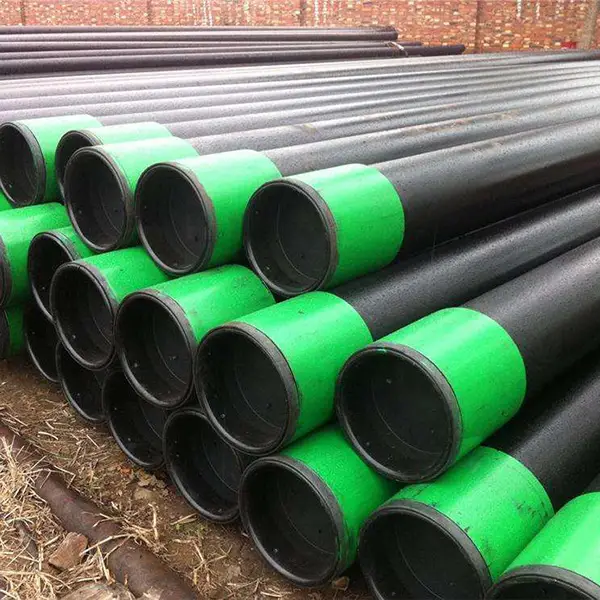
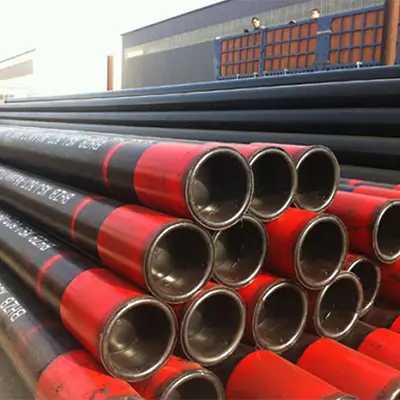
Seamless carbon steel pipes: Primarily used in systems handling steam, compressed air, and non-corrosive wastewater. They offer strong pressure resistance and are economical and practical.
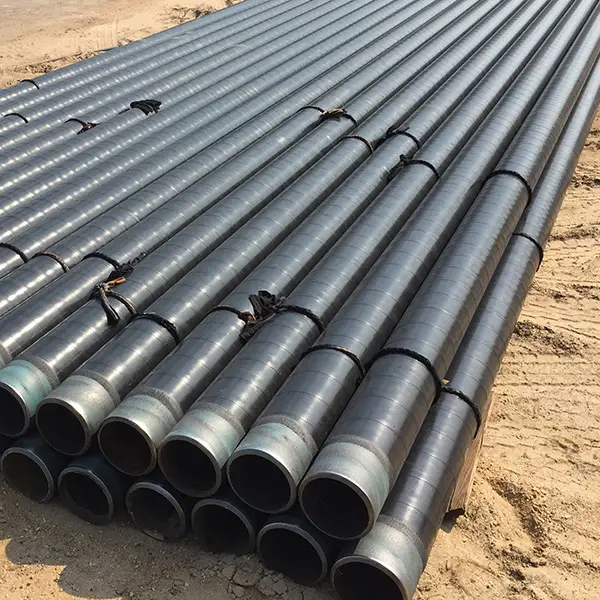
Steel pipes lined with anti-corrosion materials: In certain highly corrosive areas, steel pipes lined with rubber, plastic, or special coatings may be used.
Technological advancements continuously optimize the application of steel pipes in sugar factories: Automated welding technology improves the quality and efficiency of pipeline engineering; food-grade polishing technology makes the inner wall of the pipe smoother and reduces sugar adhesion and bacterial growth; advanced insulation technology wraps around the steel pipe, significantly reducing heat loss.