Core Application Areas of Anti-corrosion Coated Steel Pipes
Date:2025-11-10View:581Tags:Stainless steel pipe,Drill pipe,Casing and tubing
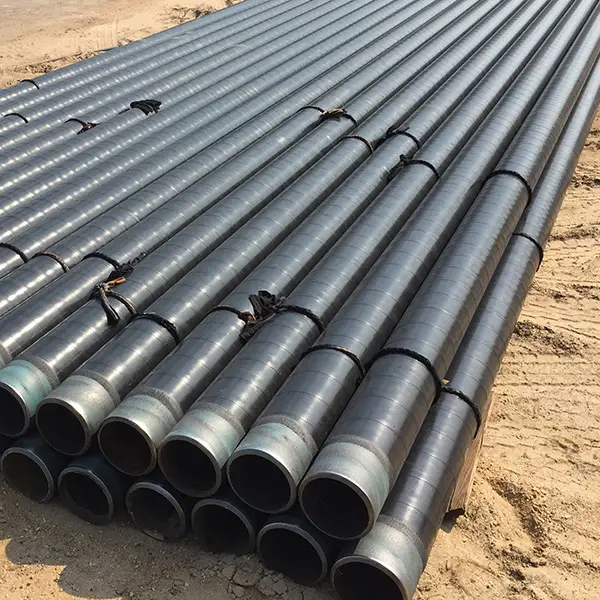
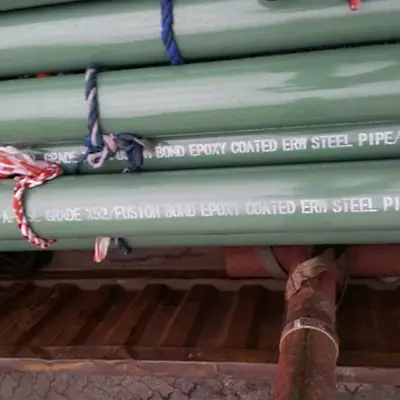
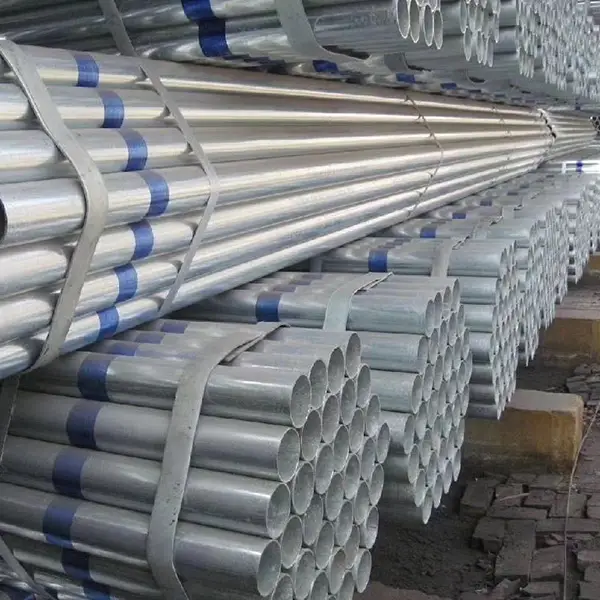
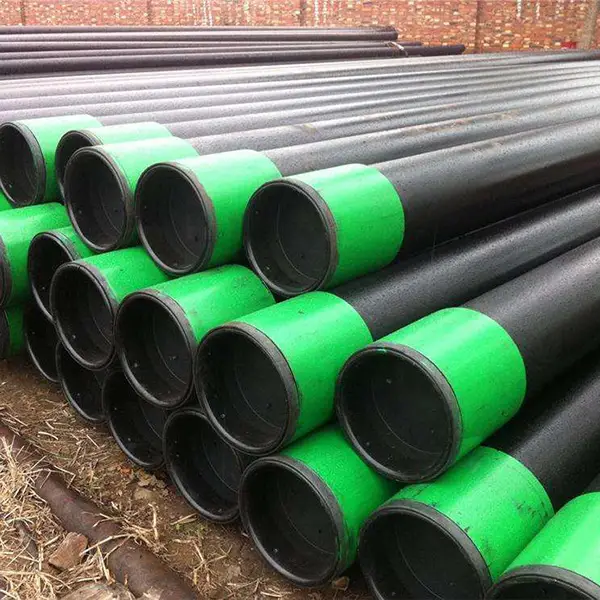
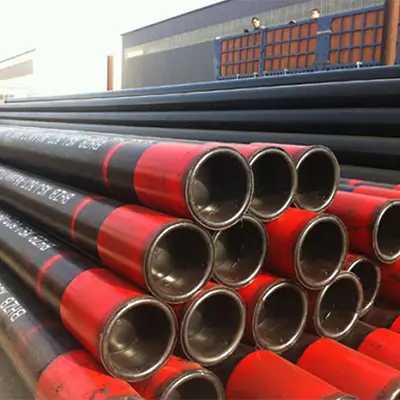
I. Guardians of Urban Lifelines: Municipal and Construction SectorWater Supply and Drainage Pipeline SystemsApplication Scenarios: Urban tap water supply pipes, fire hydrants, sewage discharge pipes, rainwater harvesting systems.Anti-corrosion Requirements: The water being transported may contain chloride ions, microorganisms, and various acid and alkali impurities; buried pipelines face soil corrosion and stray current interference.Coating Selection: Internal and external epoxy resin powder coating is the mainstream choice. It has a smooth surface, low resistance, is non-toxic and harmless, meets drinking water standards, and effectively resists chemical corrosion from water, ensuring the safety of water supply for the "last mile."Building Structures and Gas TransmissionApplication Scenarios: Building scaffolding (especially disc-lock scaffolding), structural pipes, gas pipelines for residential use.Anti-corrosion Requirements: Scaffolding is exposed to wind, rain, and humid air for extended periods, requiring extremely strong rust resistance; gas pipes require absolute safety to prevent leaks.Coating Selection: Hot-dip galvanized coatings are widely used in scaffolding due to their excellent resistance to atmospheric corrosion and mechanical protection. For gas pipelines, three-layer polyethylene or epoxy resin coatings are often used to ensure long-term sealing and safety in complex underground environments.II. The "Main Artery" of Energy Transmission: Oil and Gas IndustryThis is one of the fields with the highest and most stringent requirements for corrosion protection.Long-Distance Oil and Gas PipelinesApplication Scenarios: Main oil and gas pipelines traversing deserts, swamps, mountains, and even the seabed.Corrosion Protection Requirements: Facing soil stress, groundwater, bacteria, extreme temperature variations, and the high pressure and corrosiveness of the transported medium itself.Coating Selection: Fusion-bonded epoxy powder (FBE) and its reinforced versions are classic internal corrosion-resistant coatings. External corrosion protection commonly uses three-layer polyethylene (3PE) or three-layer polypropylene (3PP) structures, which combine the adhesion of FBE and the mechanical protection of polyethylene, and are considered the "gold standard" for pipeline corrosion protection.Oilfield PipelinesApplication Scenarios: Oil well casing, drill pipe, and pipelines.Corrosion Protection Requirements: Direct contact with high-sulfur, high-salt, high-temperature, and high-pressure crude oil and natural gas, creating extremely harsh corrosive environments.Coating Selection: The inner wall uses a special epoxy or modified epoxy coating to resist media erosion and chemical corrosion; the outer wall uses FBE or double-layer epoxy coatings depending on the downhole or seabed environment to ensure service life under extreme conditions.III. The "Backbone" of Modern Transportation: Transportation SectorBridge EngineeringApplication Scenarios: Piers, cables, and steel trusses of cross-sea and cross-river bridges.Corrosion Protection Requirements: Withstanding the combined effects of multiple corrosive factors such as vehicle exhaust, de-icing agents, seawater salt spray, and ultraviolet radiation.Coating Selection: Heavy-duty anti-corrosion coating systems typically include a zinc-rich primer (providing cathodic protection), an epoxy intermediate coat (barrier function), and a polyurethane topcoat (weather resistance and decoration), forming a long-lasting comprehensive defense.Highway GuardrailsApplication Scenarios: Corrugated beam guardrails, posts.Corrosion Protection Requirements: Subjected to year-round sun and rain exposure, and contact with de-icing chemicals such as snow-melting agents, requiring coatings with excellent weather resistance and impact resistance.Coating Selection: Hot-dip galvanizing or a composite coating of galvanized steel and polyester spraying is the mainstream solution, providing both long-term corrosion protection and color-coded warnings.IV. The "Barrier" of Hydraulic and Marine Engineering: Applications in Harsh EnvironmentsHydraulic EngineeringApplication Scenarios: Pressure steel pipes, gates, water diversion pipelines, and riverbank protection piles in hydropower stations.Corrosion Protection Requirements: Long-term immersion in water flow, enduring silt erosion, aquatic organism attachment, and chemical corrosion from the water.Coating Selection: Solvent-free epoxy glass flake coatings, heavy-duty epoxy coatings, etc., form thick films with strong adhesion, are wear-resistant and erosion-resistant, and effectively cope with the challenges of high-speed water flow.Marine EngineeringApplication Scenarios: Offshore oil platforms, subsea pipelines, port and wharf foundations, ship pipelines.Corrosion Protection Requirements: This is the harshest corrosive environment, facing high salinity, high humidity, wave impact, marine organism attachment, and complex electrochemical corrosion.Coating Selection: Utilizing the highest-grade heavy-duty anti-corrosion coating systems, such as thick-film epoxy coatings and polyurethane coatings, often used in conjunction with sacrificial anode cathodic protection systems to form a dual protection of "coating + electrochemical," providing decades of protection for marine steel facilities.V. The "Bloodline" of Industrial Production: Industrial ProcessesChemicals and PharmaceuticalsApplication Scenarios: Process piping, material transport pipes, reactor-supporting piping.Corrosion Protection Requirements: Transporting various highly corrosive chemicals such as strong acids, strong alkalis, and organic solvents.Coating Selection: Depending on the specific medium, special epoxy, phenolic epoxy, or plastic coatings are selected to ensure safe, continuous production and product purity.Power IndustryApplication Scenarios: Desulfurization system pipelines and circulating water pipes in thermal power plants; various process pipelines in nuclear power plants.Corrosion Protection Requirements: Desulfurization systems face sulfide corrosion from high-temperature, humid flue gas; circulating water pipes face corrosion from microorganisms and water quality.Coating Selection: High-alloy or glass flake resin linings are commonly used in desulfurization systems; high-performance epoxy coatings are frequently used for circulating water pipes.