1. Carbon Steel Pipes: Inherently Low Corrosion Resistance
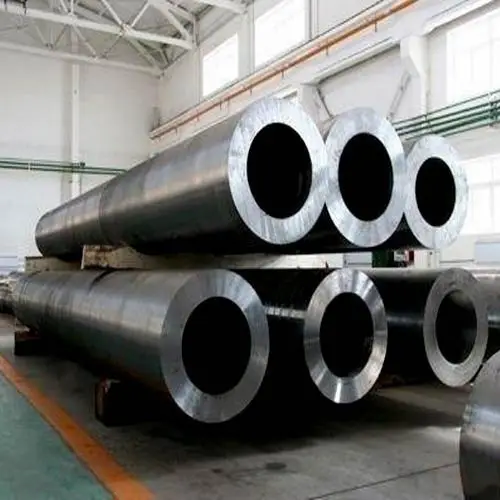
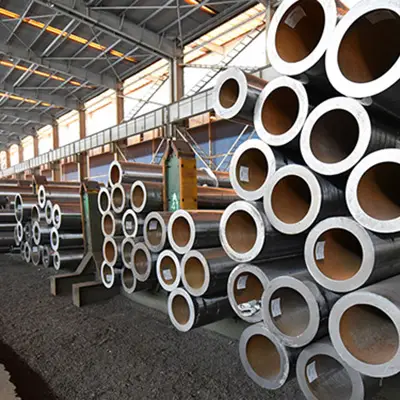
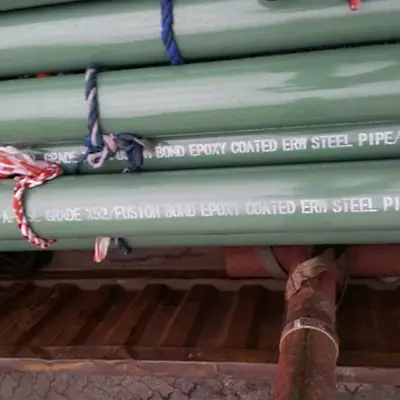
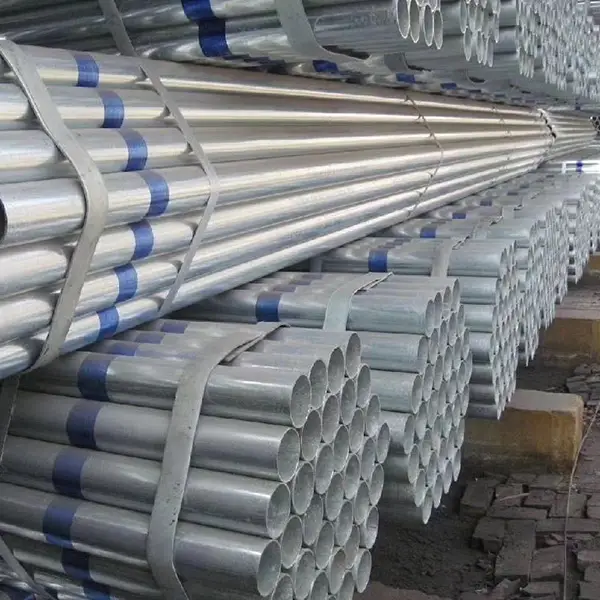
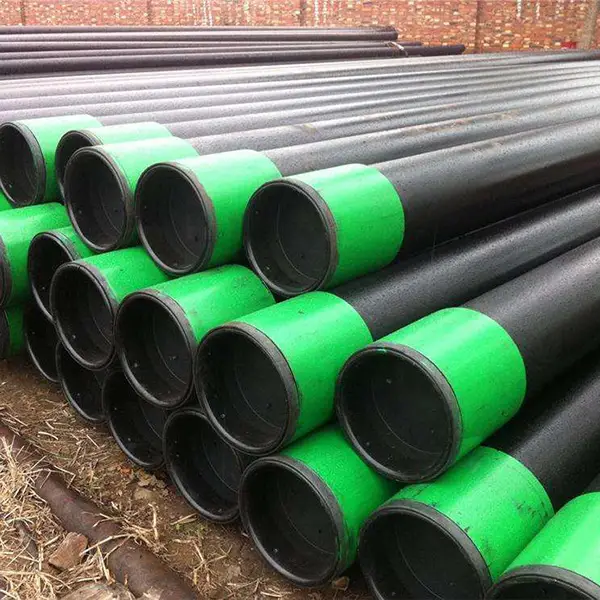
Carbon steel pipes (e.g., 20#, Q235, A106) have poor corrosion resistance, as they lack sufficient alloying elements to form a protective layer.
In atmospheric or aqueous environments: They undergo continuous rusting; corrosion rates are heavily influenced by humidity, oxygen content, and pH levels.
In acidic media: Corrosion is extremely rapid. In oil and gas environments containing CO₂ or H₂S, they are particularly prone to uniform wall thinning or pitting corrosion.
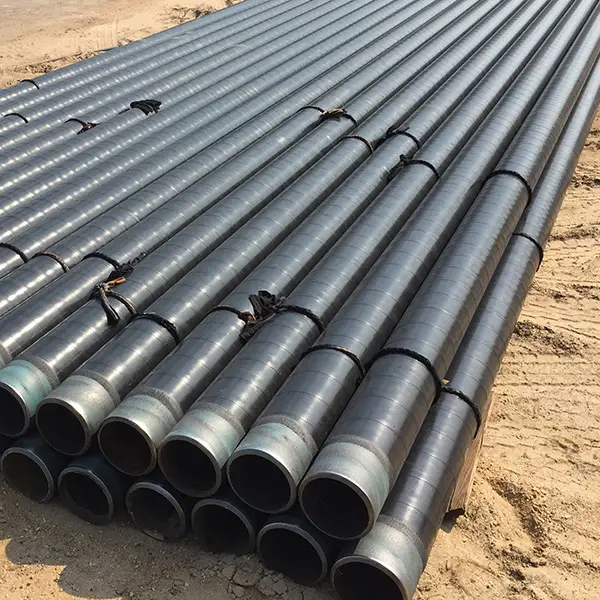
Mitigation strategies: Engineering practice does not rely on the inherent corrosion resistance of carbon steel itself; instead, service life is extended through measures such as increasing wall thickness (corrosion allowance), applying internal/external coatings, using cathodic protection, or adding corrosion inhibitors.
Consequently, carbon steel pipes are suitable only for transporting non-corrosive or mildly corrosive media, such as dry air, ordinary steam, or neutral water.
2. Alloy Steel Pipes: Primarily Resistant to High-Temperature Corrosion; Not Resistant to Acids/Alkalis at Ambient Temperatures
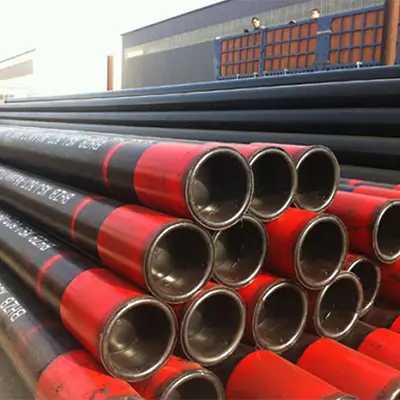
Low-alloy steel pipes (e.g., 1.25Cr, 2.25Cr, 9Cr) contain added elements such as Cr and Mo. While their corrosion resistance exceeds that of carbon steel, their application is specific.
High-temperature oxidation resistance: At high temperatures, chromium forms a dense Cr₂O₃ oxide film, providing significant resistance to oxidation and sulfidation caused by high-temperature flue gas and steam. This capability is the primary value of alloy steel pipes in high-temperature piping systems within power plants and refineries.
Hydrogen corrosion resistance: Cr and Mo enhance the steel's stability in high-temperature, high-pressure hydrogen environments, preventing hydrogen embrittlement and decarburization.
Ambient-temperature corrosion resistance: In acidic, alkaline, or saline solutions at ambient temperatures, the corrosion resistance of low-alloy steel is not significantly better than that of carbon steel. This is because their chromium content is too low (typically ≤9%) to form the complete passivation film characteristic of stainless steel.
The "corrosion resistance" of alloy steel pipes refers to resistance against high-temperature chemical corrosion, not ambient-temperature electrochemical corrosion.
3. Stainless Steel Pipes: Corrosion Resistance at Ambient Temperatures via Passivation Film
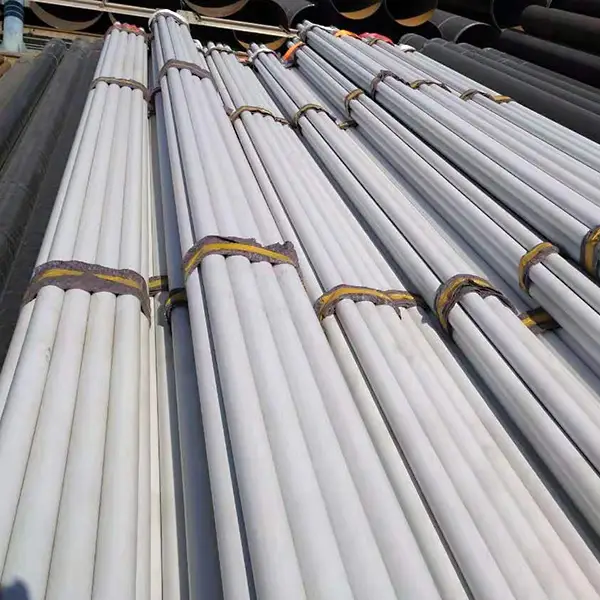
The corrosion resistance of stainless steel pipes (such as 304, 316, and duplex steel) stems from a passivation film (Cr₂O₃) formed by a chromium content of ≥10.5%; this film is capable of self-repair in oxidizing environments.
304: Resistant to the atmosphere, fresh water, and weak organic acids, but susceptible to chloride-induced pitting and reducing acids.
316/316L: Contains added Molybdenum (Mo), which significantly enhances resistance to chloride-induced pitting and crevice corrosion; commonly used in seawater and chemical processing environments.
Duplex Steel/Super Stainless Steel: Features higher Chromium (Cr), Molybdenum (Mo), and Nitrogen (N) content; suitable for harsh environments involving high chloride levels or strong acids.
Limitations: Vulnerable to chloride-induced stress corrosion cracking, reducing acids (e.g., dilute sulfuric acid), and high-temperature sulfur corrosion.
发送反馈