Differences in Application Between Carbon Steel Pipes and Alloy Steel Pipes
Date:2026-06-25View:196Tags:OCTG pipe,Boier tube,ASTM A106 steel pipe
The fundamental difference lies in the fact that alloy steel is derived from carbon steel by adding specific alloying elements to achieve superior performance, thereby meeting the demands of more rigorous operating conditions.
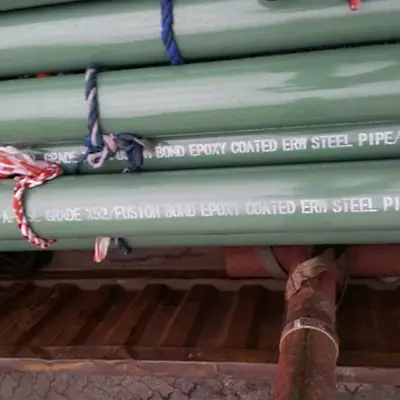
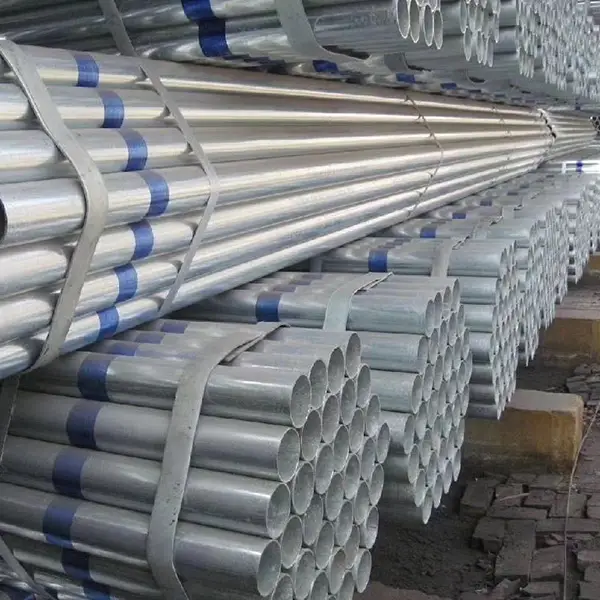
Carbon steel pipes are the "standard option," designed for cost-effectiveness and practicality. Under conventional conditions of temperature, pressure, and corrosivity, they efficiently handle tasks such as fluid transport and structural support at a relatively low cost. Common applications include factory scaffolding and urban low-to-medium pressure gas distribution networks.
Alloy steel pipes are the "specialized option," engineered to address specific challenges. By incorporating various alloying elements, they can be tailored for specialized roles:
High Temperature and High Pressure: For instance, superheater tubes in power plant boilers must withstand temperatures exceeding 500°C and extreme pressures, necessitating the use of heat-resistant alloy steels (such as 12Cr1MoV).
Corrosion Resistance: In applications like pipelines transporting high-sulfur crude oil, alloy steels with higher chromium content (such as 9Cr1Mo) form a dense protective film that resists corrosion.
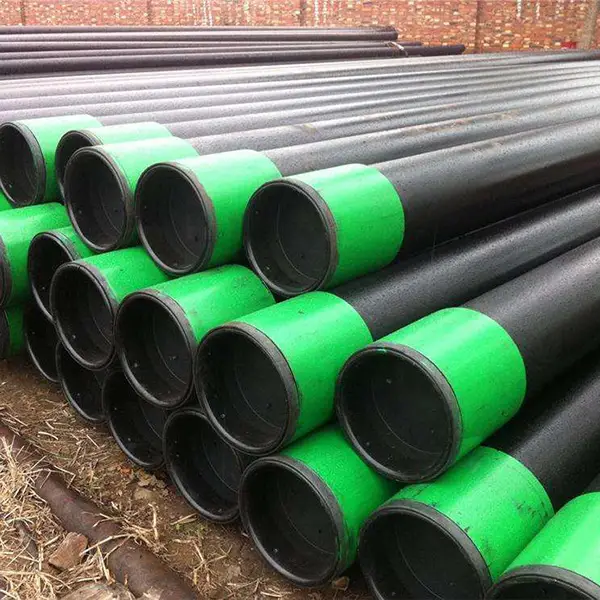
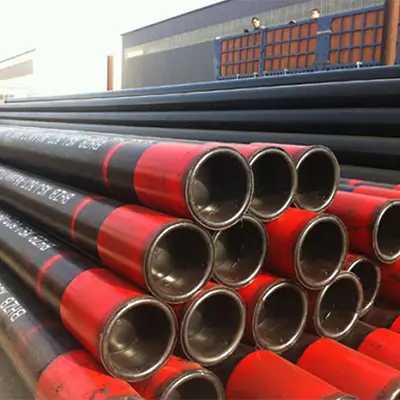
High Strength: Components subject to immense torque and impact—such as racing car drive shafts and oil drilling pipes—require high-strength alloy steels (such as 30CrNiMo8).