Introduction to Quenching Process
Date:2026-08-17View:141Tags:API welded pipe,Pipe fitting,Sprial steel pipe
Quenching is like giving metal materials "extreme training." Through heating and rapid cooling, it transforms the originally "mild" steel into something exceptionally hard and wear-resistant.
1. Heating and Holding: The metal workpiece is heated to a specific temperature (usually around 800-900℃ for steel) and held for a period of time. The purpose of this step is to transform the entire internal structure of the metal into a special structure called austenite, preparing it for subsequent "transformation." This temperature is crucial; different steel compositions require different critical heating temperatures.
2. Rapid Cooling: This is the core of the quenching process and the origin of the word "quench." The heated workpiece needs to be rapidly immersed in water, oil, or salt water for rapid cooling. This rapid cooling process "freezes" the unstable austenite, transforming it into a highly hard but very brittle structure—martensite. It is this transformation of the microstructure that gives the metal its extremely high hardness and strength.
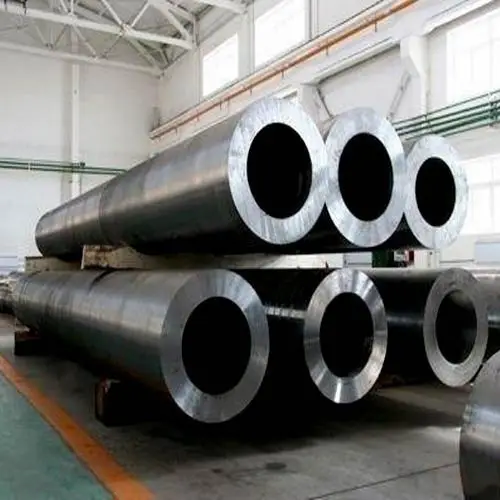
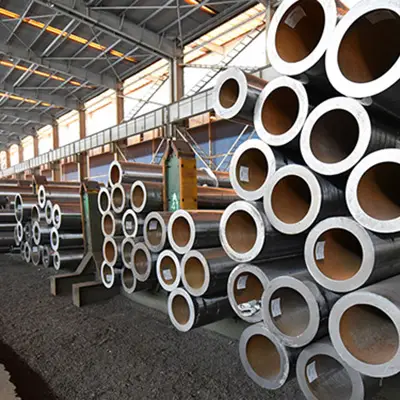
The quenching of steel pipes can be seen as a sophisticated application of the general quenching principle to tubular parts. Its core challenge lies in how to ensure that both the inner and outer walls of the hollow steel pipe can be cooled quickly and evenly, while also dealing with the risks of deformation and cracking caused by the hollow structure.