Anti-corrosion Pipes vs. Thermal Insulation Pipes
Date:2026-09-24View:3Tags:Structural steel pipe,API tubing,Coated pipe
I. Different Core Functions
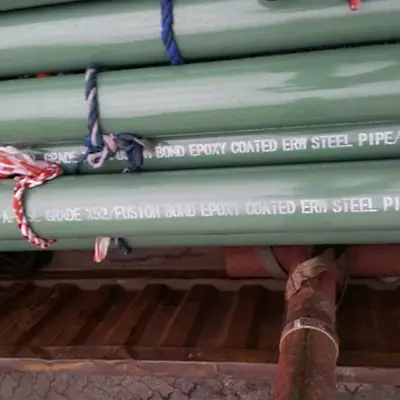
Anti-corrosion pipes: Corrosion prevention (protecting against rust and corrosion caused by soil, sewage, or the conveyed medium).
When steel pipes are buried underground or come into contact with damp soil and acidic or alkaline groundwater, they are prone to rusting and perforation. The anti-corrosion layer serves to **isolate corrosive agents** and protect the steel pipe substrate; it is not designed to minimize heat loss.
Applications: Water supply and drainage, gas pipelines, buried oil transmission lines, and general chemical pipelines.
Thermal insulation pipes: Thermal insulation (reducing heat loss of the internal medium or preventing temperature rise).
These pipes transport hot water, steam, or hot oil; the goal is to maintain temperature and reduce energy consumption. A protective outer shell is typically added over the insulation layer. The insulation layer does not provide rust protection; in fact, the inner steel pipe often requires a separate anti-corrosion treatment.
Applications: Urban district heating, hot spring pipelines, and high-temperature medium transport.
II. Structural Comparison
Anti-corrosion pipes (Single-layer or multi-layer anti-corrosion coating)
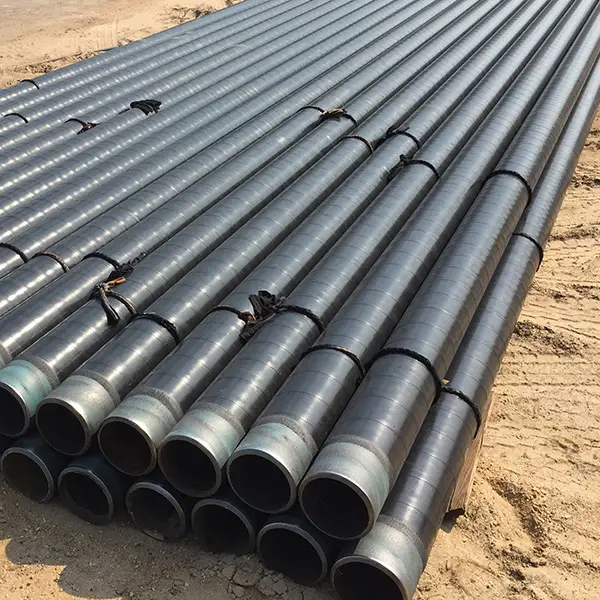
Steel pipe substrate → Anti-corrosion layer (3PE/2PE, epoxy coal tar, FBE epoxy powder, etc.)
- 3PE is the most common anti-corrosion method for buried steel pipes: Epoxy powder + adhesive + polyethylene.
- Features only an anti-corrosion coating; lacks a thick thermal insulation foam layer.
Prefabricated directly buried thermal insulation pipes (Common structure)
Steel pipe substrate → Anti-corrosion layer (optional) → Polyurethane insulation layer → HDPE outer casing (black jacket)