Sharing China-Made with Global Customers

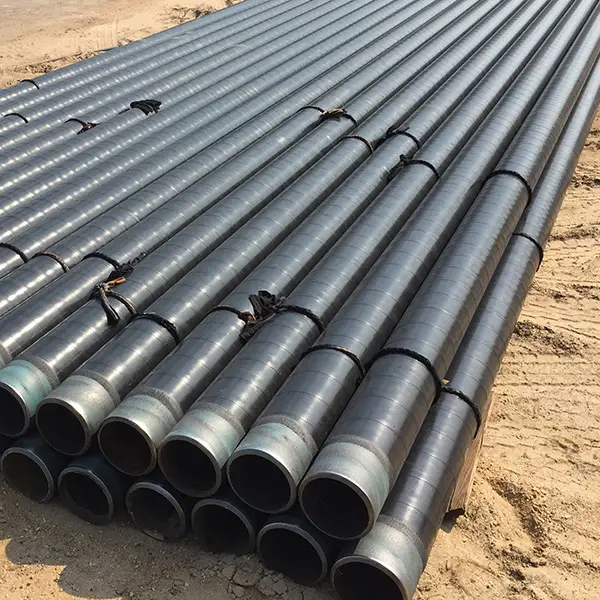
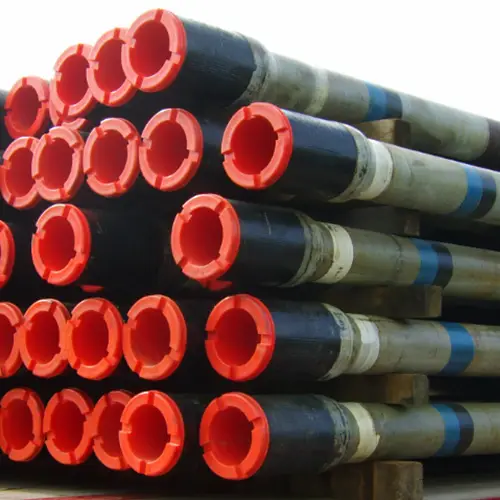
The outer protective layer serves primarily to shield the insulation layer from mechanical damage and corrosion. High-density polyethylene (HDPE) is the most common material for the outer protective pipe, offering excellent corrosion resistance, aging resistance, and mechanical strength. In special operating conditions, materials such as fiberglass-reinforced plastic (FRP) or metal (e.g., a steel-cased steel design) may also be used for the outer protective layer.
Performance Characteristics
These insulated pipes offer excellent thermal insulation properties; with low thermal conductivity, heat loss is merely 25% of that found in traditional piping, resulting in significant energy savings. The combination of a closed-cell polyurethane structure and a high-density polyethylene (HDPE) outer casing effectively prevents moisture ingress and soil corrosion, ensuring a service life of over 30 years. Furthermore, the use of prefabricated direct-burial technology eliminates the need for trench excavation—allowing for direct underground installation—which drastically shortens construction timelines and reduces project costs. The outer casing exhibits superior impact and compression resistance, enabling the system to withstand complex underground environments.
Application Areas
Insulated pipes are widely used in sectors such as municipal district heating, petrochemicals, refrigeration engineering, and the renovation of aging pipeline networks. In municipal district heating, they serve as main and branch lines for transporting hot water or steam. In the petrochemical industry, they are used to transport crude oil, refined products, and various chemical media, preventing solidification or crystallization. In refrigeration engineering, they are utilized for air-conditioning refrigerant lines and cold storage piping to minimize cooling loss. Additionally, they represent a key choice for upgrading aging infrastructure by replacing traditional, high-loss piping and improving overall heating efficiency.