I. Standard Overview
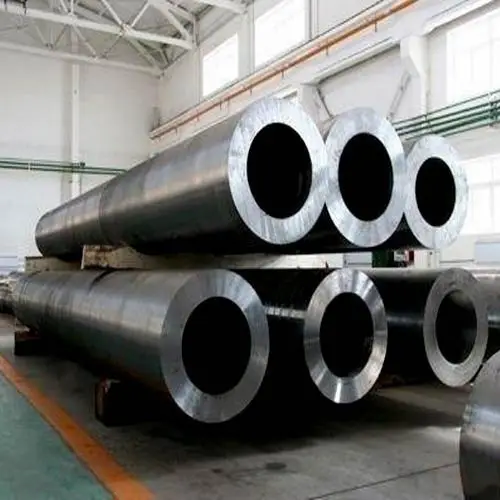
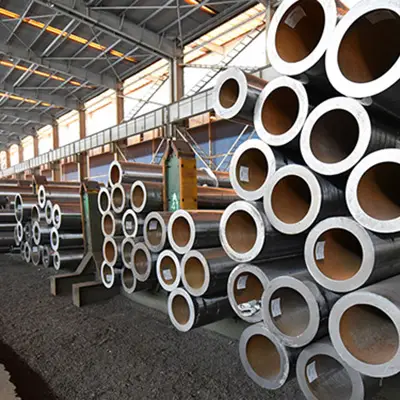
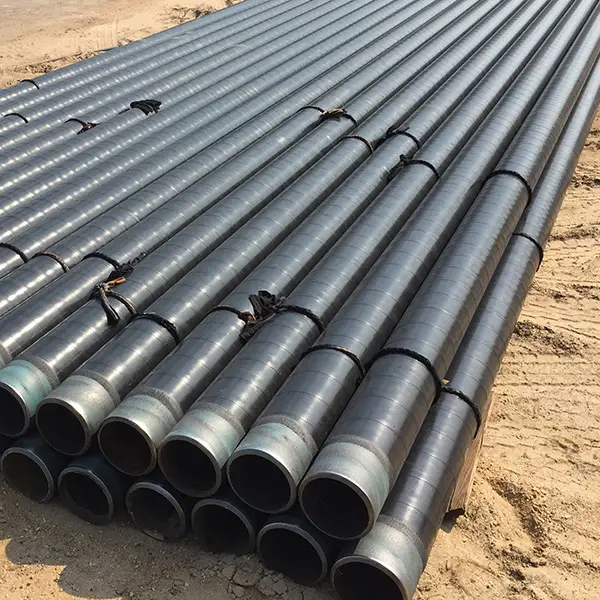
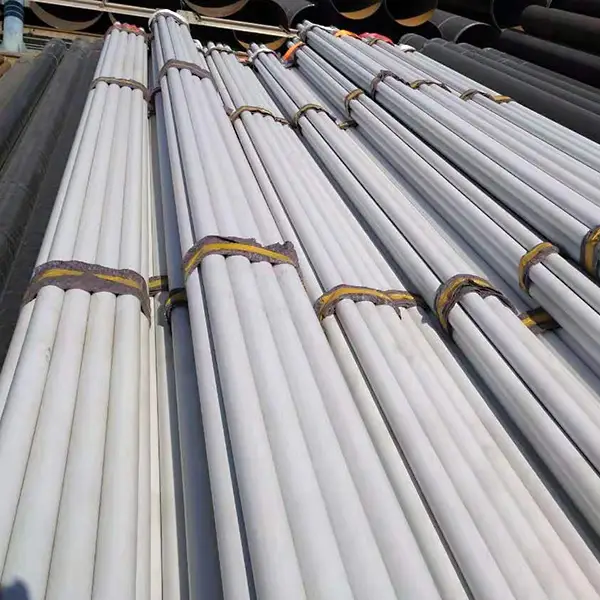
ASTM A178 is a technical specification developed by the American Society for Testing and Materials (ASTM) for resistance welding of carbon steel and carbon-manganese steel boiler tubes and superheater tubes. This standard primarily covers small-to-medium diameter steel tubes used in boiler furnaces, superheaters, and other pressure components, and is applicable to power plant boilers and industrial boilers operating in high-temperature and high-pressure environments.
II. Material Requirements
1. Chemical Composition
The
steel pipes are made of low-carbon steel or carbon-manganese steel to ensure good weldability and formability.
Typical composition range: Carbon content ≤0.35%, Manganese content 0.27-1.06%
Strictly control the content of impurities such as phosphorus and sulfur.
2. Mechanical Properties
Grade A: Minimum tensile strength 325 MPa, yield strength 180 MPa
Grade C: Minimum tensile strength 380 MPa, yield strength 205 MPa
Grade D: Minimum tensile strength 415 MPa, yield strength 255 MPa
Elongation requirements vary according to wall thickness to ensure sufficient plasticity.
III. Manufacturing Process
Manufacturing Method: Produced by resistance welding; the weld is heat-treated to relieve stress.
Heat Treatment: Heat treatment is mandatory after welding to improve the performance of the weld area.
Dimensional Tolerances: Strictly control the tolerances of outer diameter, wall thickness, length, and straightness.
Surface Quality: Requires smooth, defect-free inner and outer surfaces.
IV. Quality Control and Testing
1. Mandatory Tests
Tensile Test: Verifies mechanical properties meet requirements
Hardness Test: Ensures material uniformity
Hydraulic Pressure Test: Each steel pipe must undergo a hydraulic pressure test at a specified pressure
Eddy Current Testing or Ultrasonic Testing: Non-destructive testing of weld quality
2. Optional Tests
Bending Test
Flattening Test
Grain Size Determination
V. Main Application Areas
1. Power Industry
Power Plant Boilers: Used in the manufacture of water-cooled walls, superheaters, reheaters, and economizers
Parameter Range: Typically used in subcritical and supercritical units, operating temperatures up to 540℃
2. Industrial Boilers
Process steam boilers in chemical, paper, and textile industries
Hot water boilers for district heating systems
3. Other Applications
Heat Exchangers and Condensers
Pipeline Systems
Structural Supports
VI. Selection Considerations
Temperature Class: Class A for medium and low temperatures, Classes C and D for higher temperatures
Pressure Requirements: Select appropriate wall thickness and material grade based on design pressure
Corrosive Environment: Consider the effects of flue gas corrosion and steam corrosion
Economy: Optimize costs while meeting technical requirements
VII. Installation and Maintenance Considerations
Installation Requirements: Use appropriate welding processes to avoid damaging material properties
Operational Monitoring: Regularly check for corrosion, scaling, and creep
Failure Prevention: Focus on the integrity of weld areas and high-temperature areas
VIII. Comparison with Other Standards
Compared to ASTM A192 (Seamless Carbon Steel Boiler Tubes for High Pressure), A178 uses resistance welding, resulting in lower costs.
Equivalent to ASME SA178, the adopted version of the ASME Boiler and Pressure Vessel Code.
In Europe, it typically corresponds to the relevant materials in EN 10216-2.